

Color
- BlackBlack 22
- BlueBlue 11
- GoldGold 2
- GrayGray 4
- SilverSilver 6
- WhiteWhite 5
- Brown 8
- Dark brown 1
- Dark Green 1
- Dual TONE 1
- Green 3
- Grey 1
- MAROON 2
- Olive green 4
- Purple 1
- Yellow 1
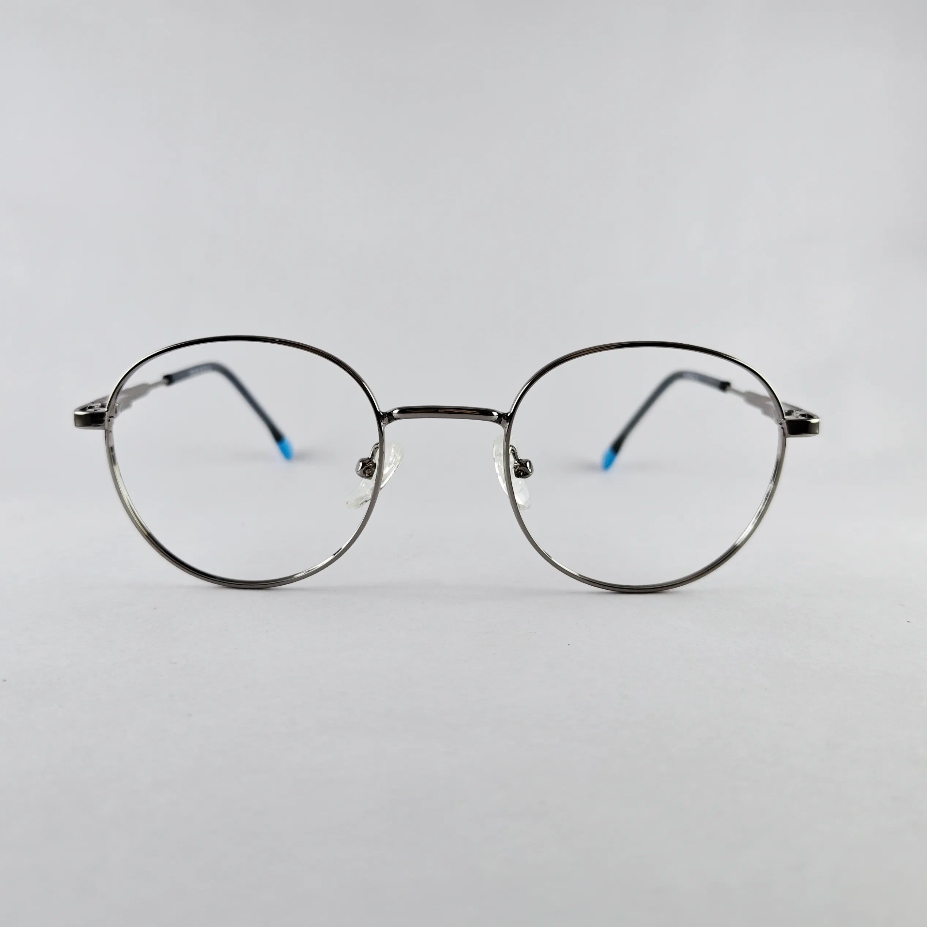
Silver small hexagonal frame
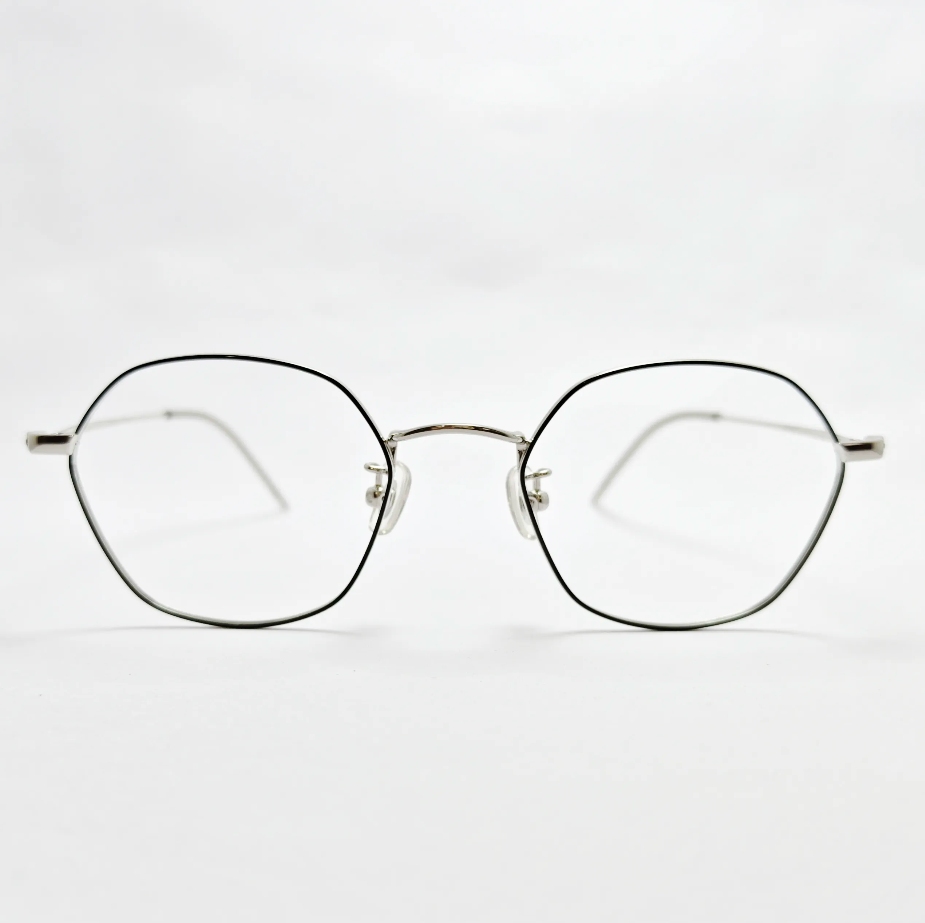
Silver-Black Hexagonal Frame
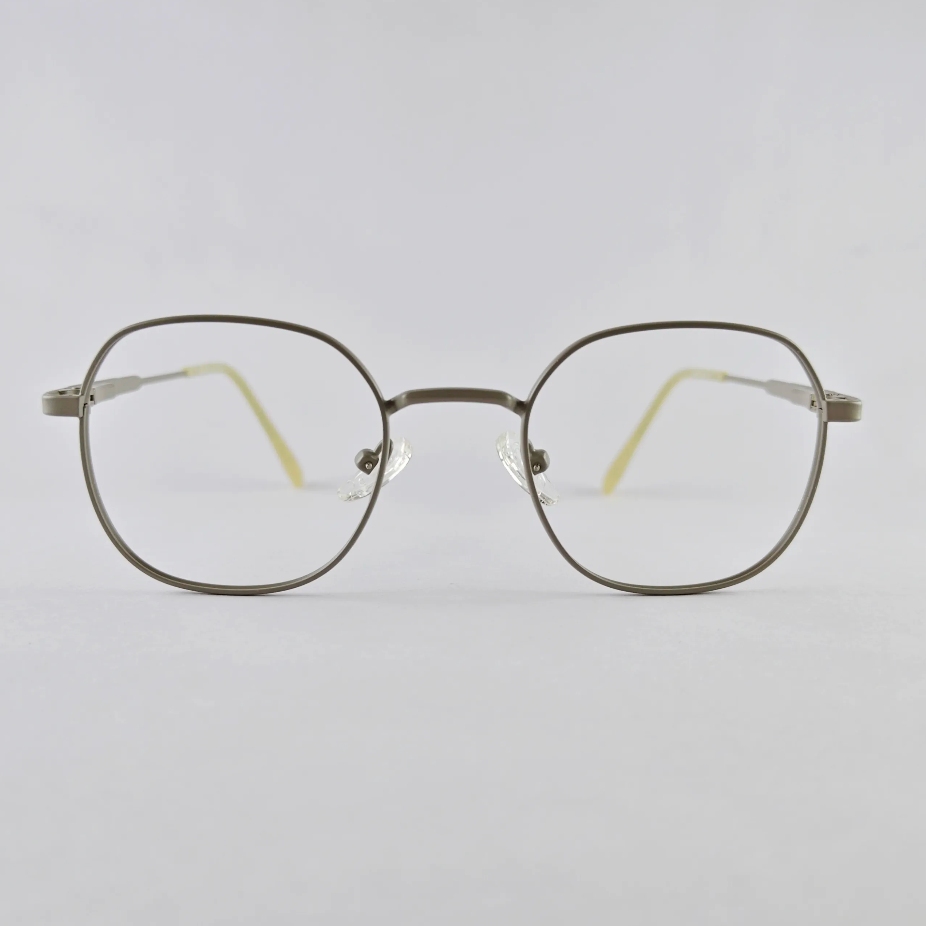
Small Hexagonal Frame
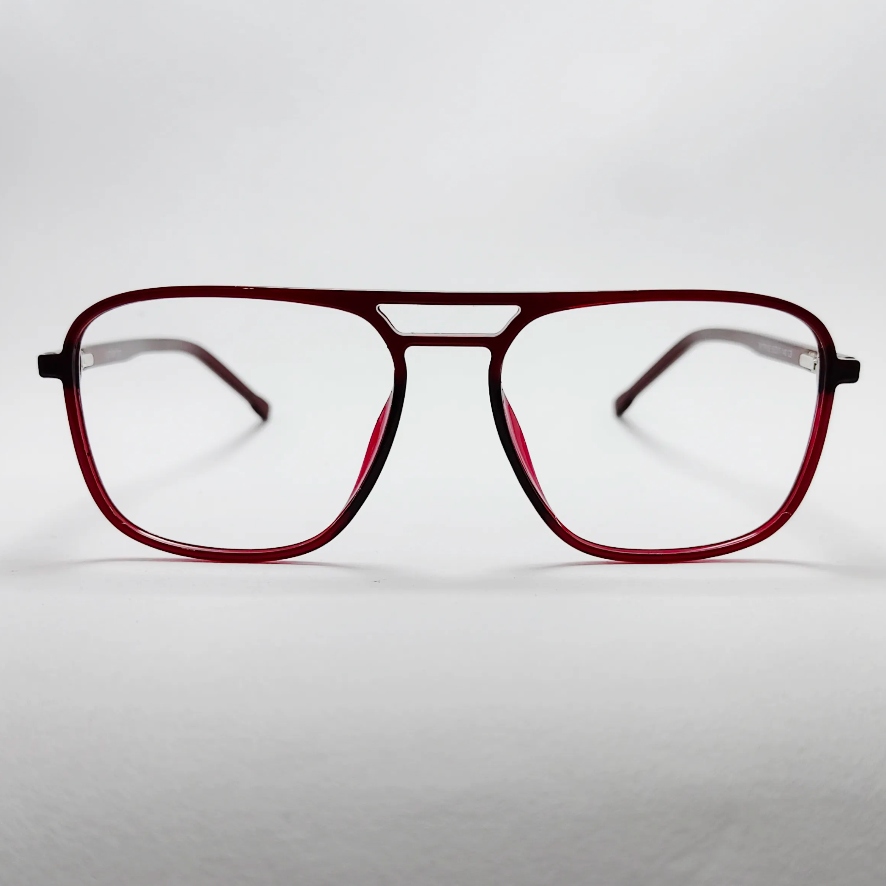
Translucent Maroon Wayfarer Frame
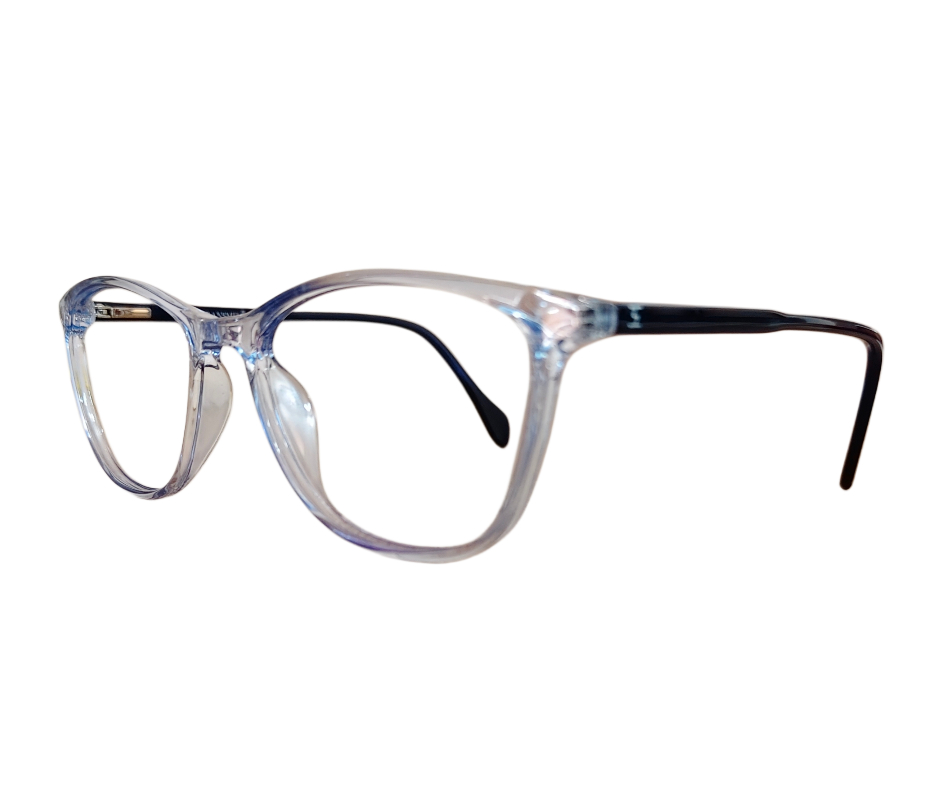
Transparent Blue Cats Eye Frame
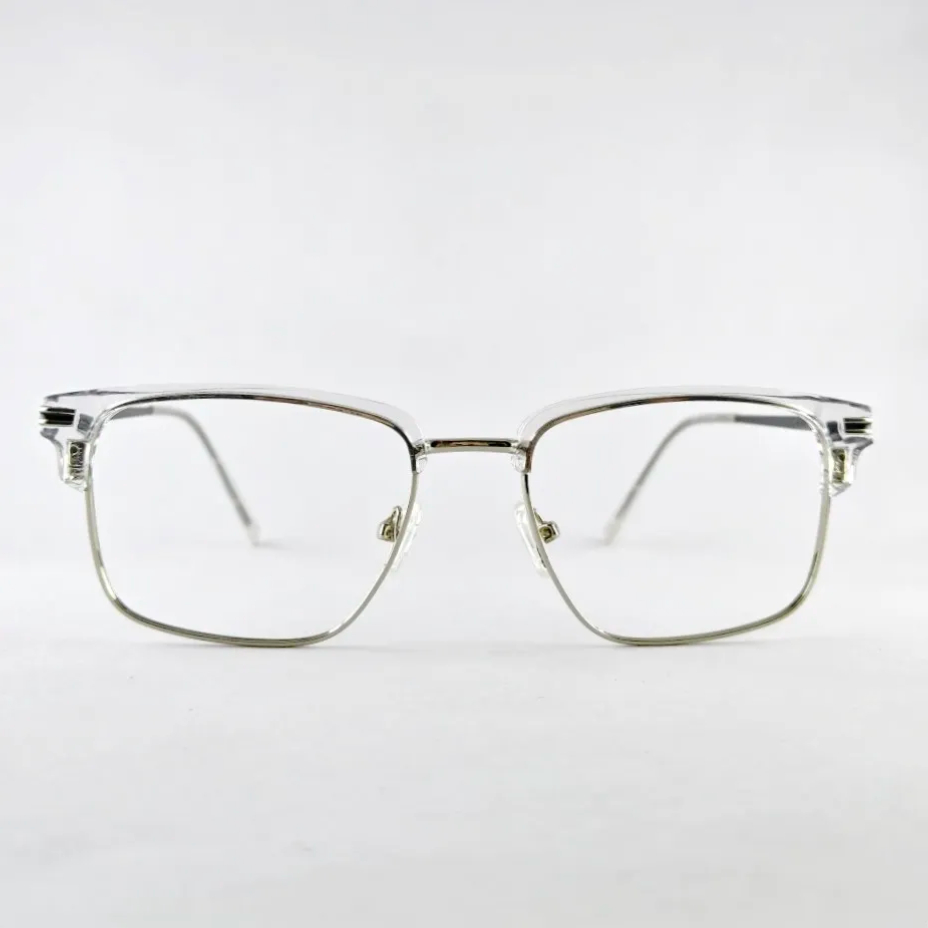
Transparent Clubmaster Frame
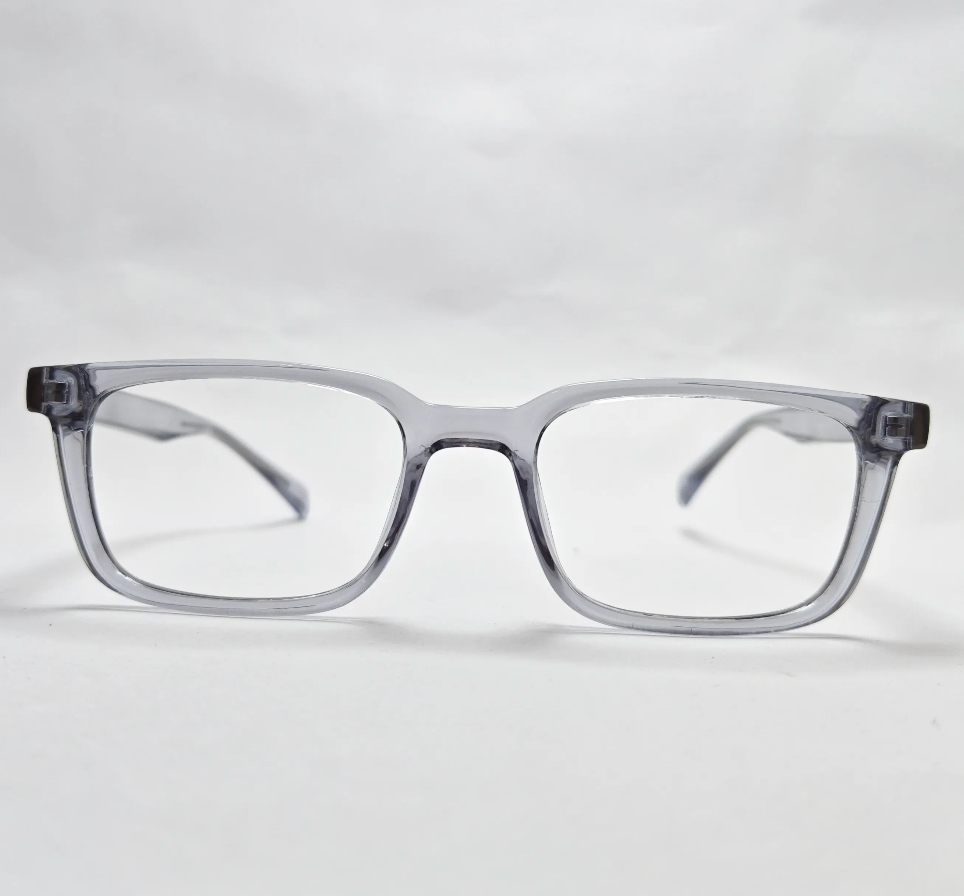
Transparent Gray Rectangular Frame
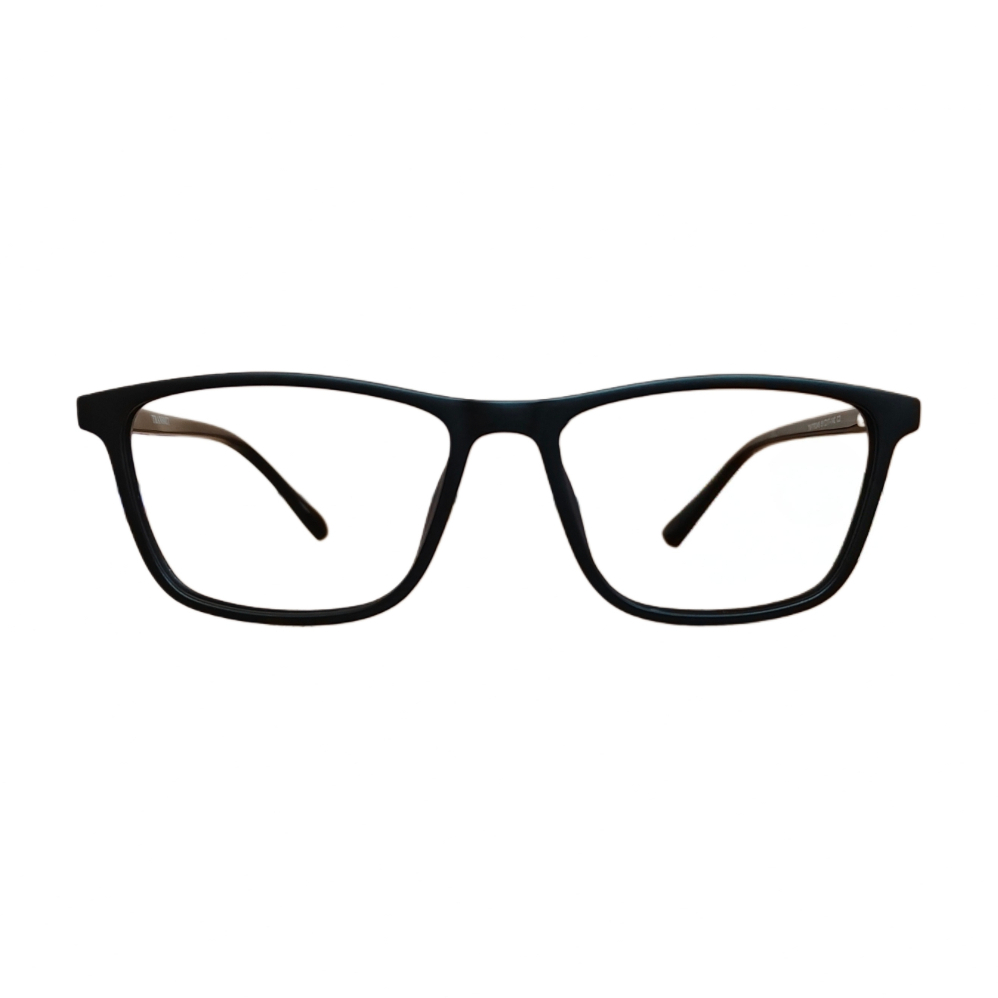
Trendy Rectangular Frame

White Rectangular Frame

White Transparent Rectangular Frame
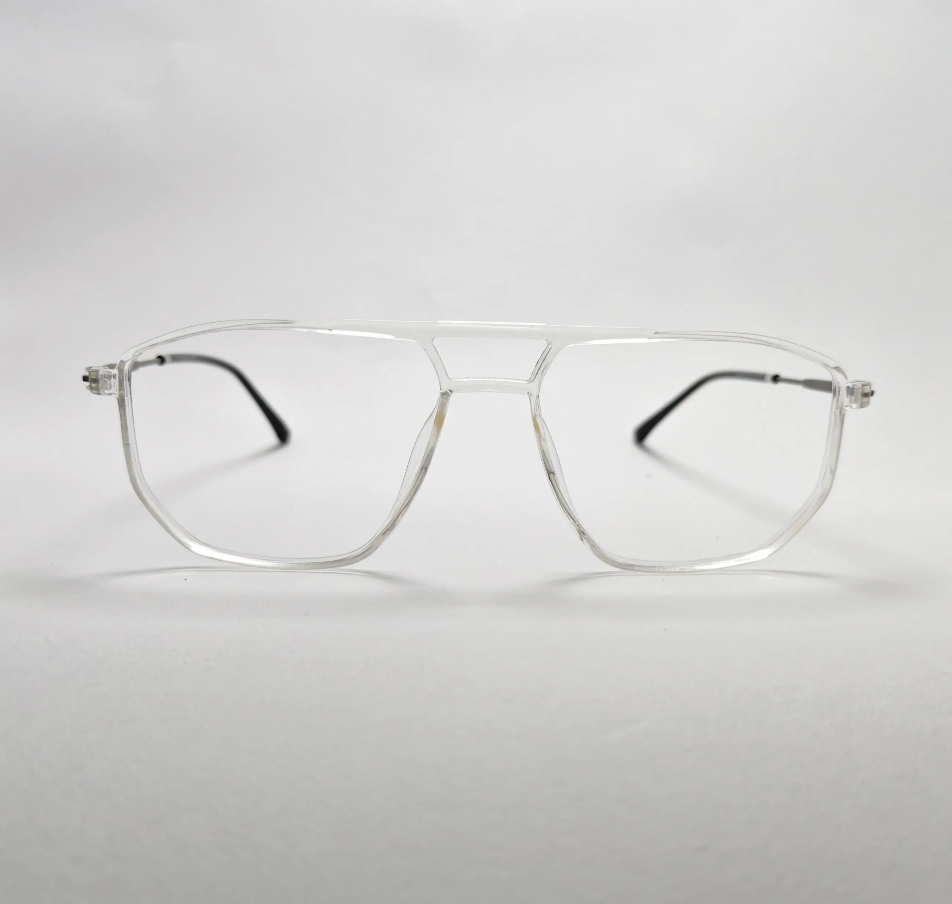
White Transparent Wayfarer Frame
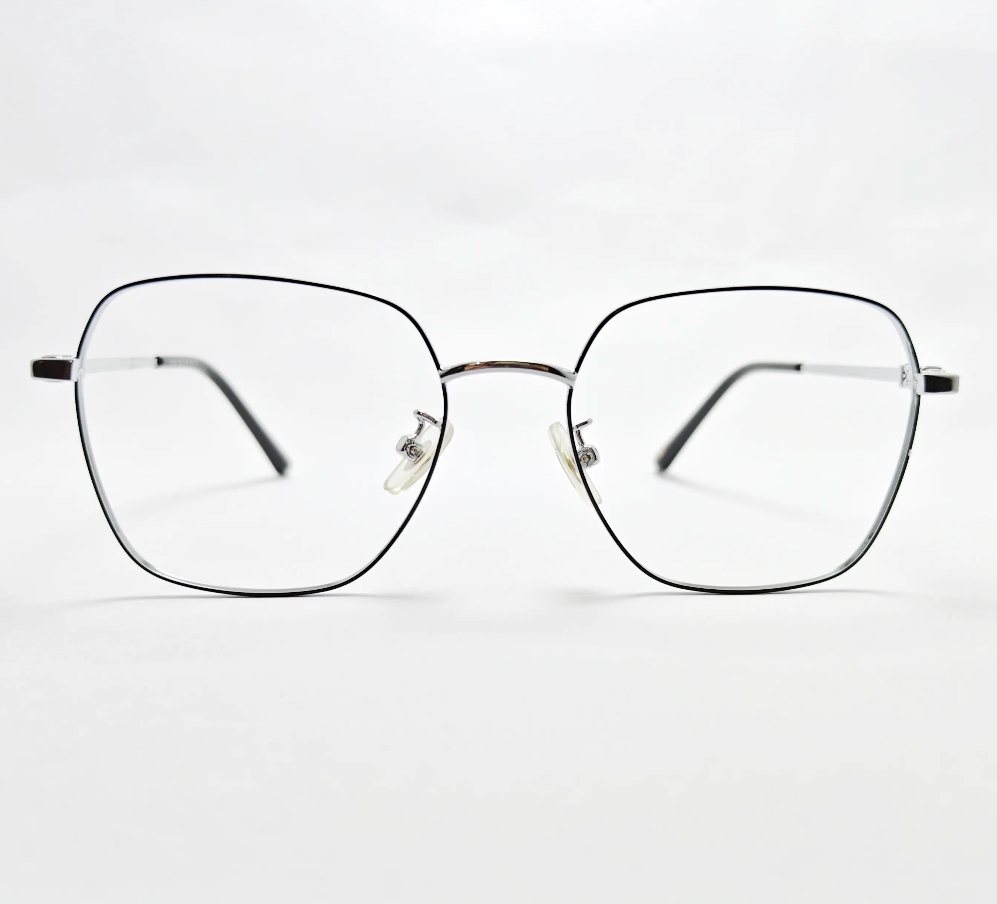
Women’s Black Geometric Metal Eyeglasses
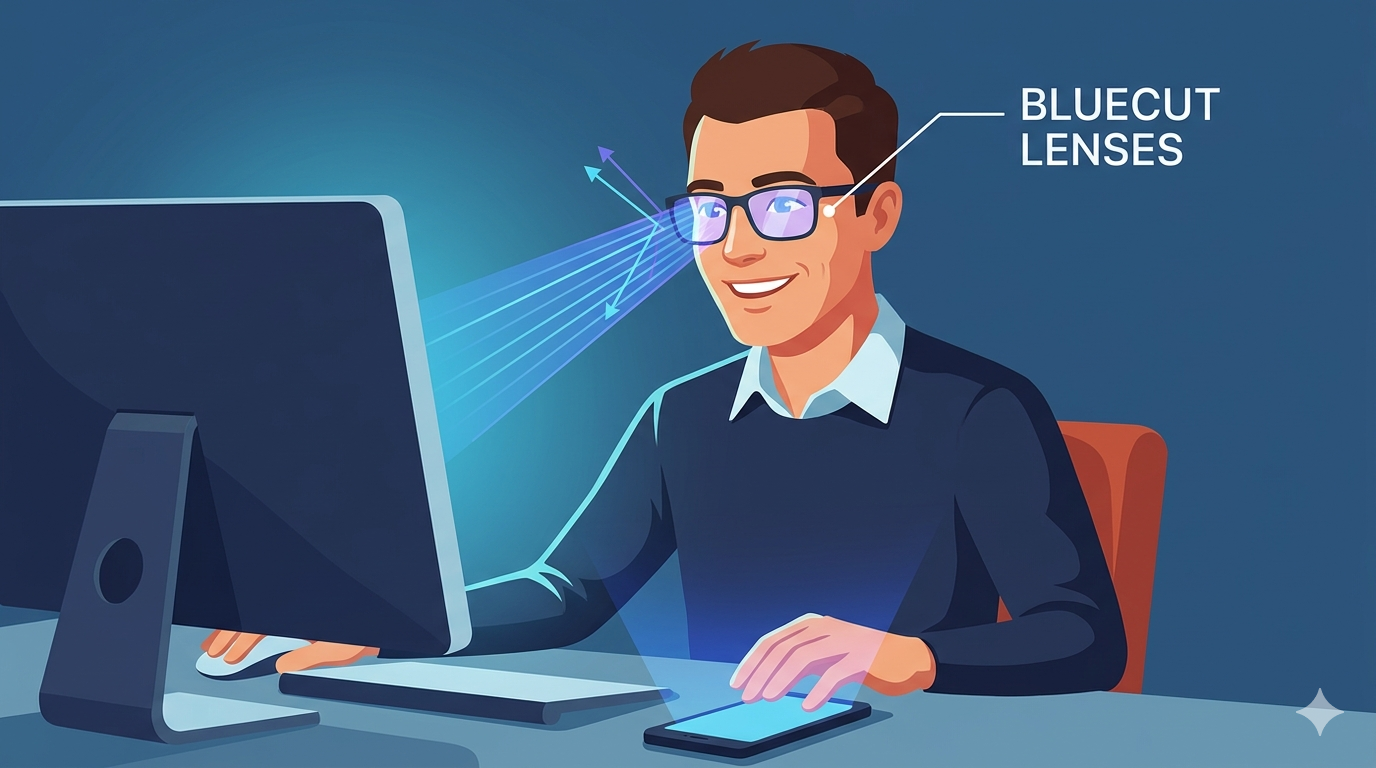
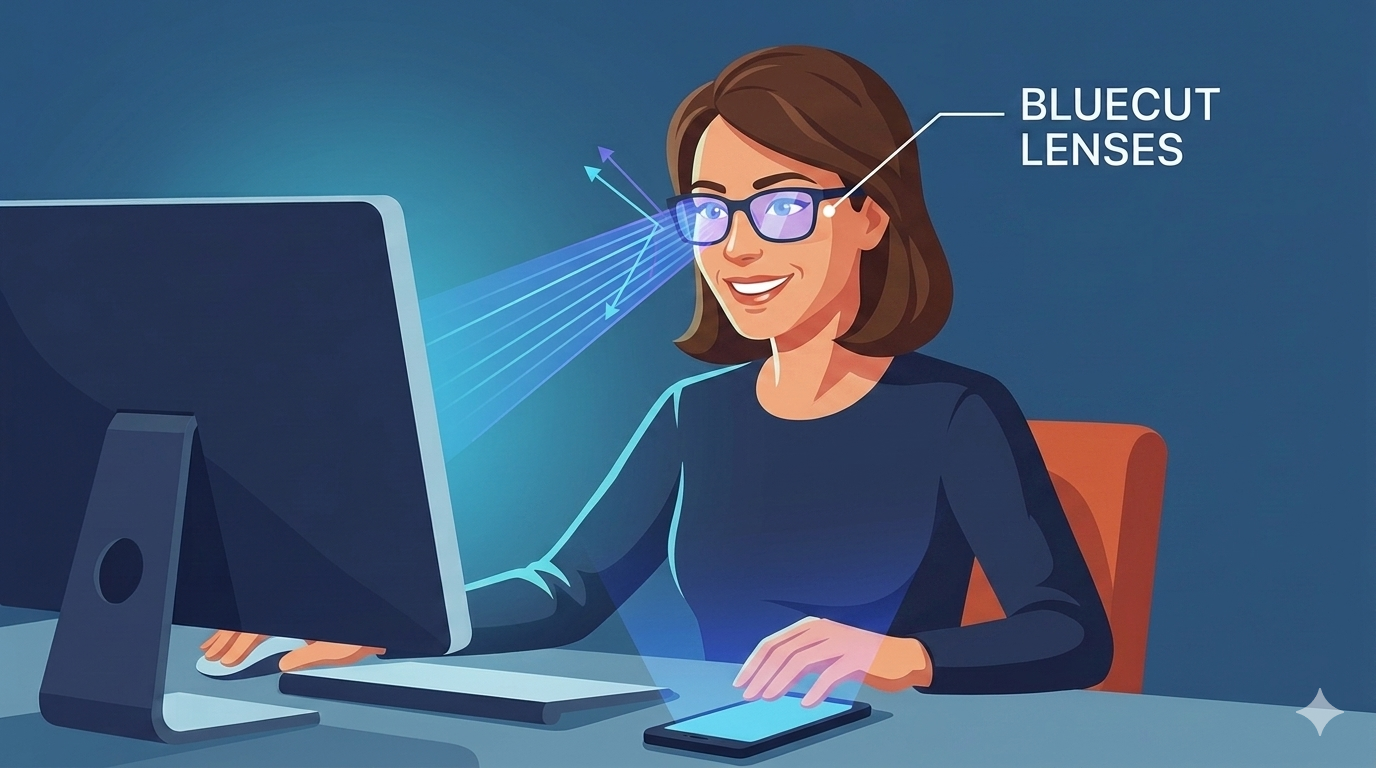
Screen Protection Eyeglasses — Computer & Blue Light Glasses
Most eye discomfort from screens (dryness, blurred vision, headaches, and eye fatigue) comes from reduced blinking and prolonged close-range focus, not from the screen's light itself — so the most reliable fix is a correctly powered lens for your screen distance combined with an anti-glare (anti-reflective) coating, not the frame or tint alone. Eyedell's screen glasses combine both: prescription lenses fitted specifically for computer/screen viewing distance, anti-glare coating to cut reflections from monitors and overhead lighting, and optional blue light (blue-cut) filtering for users who prefer it. Available in men's and women's styles, with single-vision, blue-cut, and photochromic options, backed by Eyedell's long-standing expertise in the optical industry and a 7-day return policy.
Screen Protection Glasses vs. Regular Glasses: What's the Difference
At first glance, screen glasses and regular eyeglasses look identical — same frames, same fit. The real difference sits inside the lens, not on the outside of the frame.
Regular eyeglasses are ground for one of two distances: far vision (driving, watching TV) or near vision (reading). They aren't optimised for the 20–26 inch intermediate distance most people sit from a laptop or monitor — which is exactly why people who already wear prescription glasses still end up with tired eyes after a full workday on-screen.
Screen Protection Eyeglasses, on the other hand, are powered specifically for that intermediate screen distance and are almost always paired with an anti-glare coating — something regular glasses don't include unless it's specifically requested. This combination is what separates a genuine screen glasses pair from a standard one:
- Lens power matched to screen-viewing distance, not reading or driving distance
- Anti-glare / anti-reflective coating to cut monitor and overhead-light glare
- Optional blue-cut filtering for evening screen use
- Lightweight, all-day frames built for continuous wear
If you spend more than 3–4 hours a day in front of a laptop, phone, or monitor, Screen Protection Eyeglasses are built specifically for that use case — regular glasses simply aren't. You can buy screen glasses online at Eyedell in single-vision, blue-cut, and photochromic options to match how and where you use your screens.
Screen Glasses vs. "Protecting Your Eyes From Screen Damage": What's Actually True
A lot of pages selling screen glasses lead with "protects your eyes from harmful blue light." It's worth being upfront: the American Academy of Ophthalmology and a 2023 Cochrane review (a widely cited independent evidence review) both concluded there's no strong evidence that blue light from computer screens damages the eye, or that blue-light-filtering lenses meaningfully reduce eye strain compared to regular lenses. The blue light your screen emits is also much weaker than the blue light you get from daylight.
That doesn't mean screen glasses are pointless — it means the reason they help isn't the one usually advertised. What genuinely reduces screen-related eye discomfort:
A lens power matched to your screen distance, not your regular distance prescription — most people sit 20–26 inches from a monitor, which is a different focal distance than reading or driving.
Anti-glare (anti-reflective) coating, which cuts reflections from the screen and overhead lighting — this is consistently cited by both clinicians and everyday users as the feature that actually reduces visible strain.
Blinking and screen habits the well-known 20-20-20 rule (every 20 minutes, look at something 20 feet away for 20 seconds) addresses the dryness and fatigue that's usually mistaken for "blue light damage."
Blue-cut lens filtering is still worth having as an optional add-on — some users do report better sleep when wearing it in the evening, and it does no harm but it should be the secondary reason you buy screen glasses, not the main one.
Can Screen Glasses Really Reduce Eye Strain?
Yes — but through mechanism, not marketing. The clinical picture above is clear that blue-light filtering alone has limited proven effect on eye strain. What Screen Protection Eyeglasses do reduce, reliably, is the physical cause of strain: incorrect focal distance and glare.
Here's what actually happens when your eyes work a screen for hours without the right lens:
- Your eyes constantly refocus between screen distance and your natural resting focus point — this micro-effort adds up over a workday
- Reflections from the screen and overhead lights force your pupils to keep adjusting
- Reduced blink rate (up to 66% lower while looking at screens) dries the eye surface
A correctly powered pair of screen glasses removes the first two triggers almost entirely. Combined with the 20-20-20 rule for the third, most users report a noticeable drop in end-of-day eye fatigue within the first week of wearing Screen Protection Eyeglasses. If you already own eyeglasses but haven't had them checked specifically for screen distance, that's usually the first thing to fix before assuming blue light is the culprit.
Screen Protection Glasses: What "Protection" Realistically Means Here
If you're searching for screen protection glasses expecting them to prevent long-term eye damage from monitors, it's worth knowing upfront that no current clinical evidence shows regular screen use damages the eye in the first place — so there isn't damage for the glasses to "protect" against in that sense. What they realistically protect against is discomfort: the glare, dryness, and focus fatigue that come from hours of near-range screen work. That's a real, common problem, and it's the one Eyedell's screen glasses are built to address through correct near-distance prescriptions and anti-glare coating.
Best Anti-Radiation Glasses for Work From Home
"Anti-radiation glasses" is a commonly searched term for the same product category as screen glasses and computer glasses — there's no separate radiation-blocking technology involved; modern LED and LCD screens don't emit meaningful radiation in the first place. What people are really asking for when they search this term is relief from WFH-specific screen fatigue: back-to-back video calls, dual monitors, and 8+ hour days without the office lighting and breaks that come naturally in a workplace.
For a work-from-home setup, the features that matter most in Screen Protection Eyeglasses are:
- Anti-glare coating (cuts reflections from ring lights, monitors, and window glare behind your desk)
- Correct intermediate-distance power if you use a laptop screen at a shorter distance than a desktop monitor
- Lightweight frames you can wear through 8+ hour days without pressure marks
- Blue-cut lenses if your WFH day regularly extends into the evening
Eyedell's screen glasses collection is built around exactly this brief. Whether you're on video calls all day or switching between a laptop and a second monitor, you can buy screen glasses designed for extended WFH use rather than picking a pair meant for occasional reading.
Blue Screen Glasses: Frame Colour vs. Lens Type
This term gets searched for two different things, and it's worth knowing which one you actually want:
Blue-coloured frames with screen lenses a style choice; the frame is blue, and the lens can be plain, anti-glare, or blue-cut depending on what you select at checkout.
Blue light (blue-cut) filtering lenses, a lens coating, independent of frame colour, that filters a portion of blue light. As above, the evidence for daytime eye-strain reduction is limited, but some users prefer it for evening screen use.
Eyedell's screen glasses collection includes both — blue-toned frames, and blue-cut lens options across most frame colours.
Glasses to Protect Eyes From Computer Screen: A More Useful Way to Frame This
Instead of "protect from the screen," the more accurate and useful question is: what's actually causing the discomfort, and does the glasses' lens address that specific cause? If your eyes feel tired, dry, or strained after screen time, the two things worth checking before adding blue-light filtering are:
(1) whether your current glasses (if any) are actually powered for screen distance, and
(2) whether they have an anti-glare coating. Both are things Eyedell's optical team can confirm when you order — it's a more effective fix for most people than a tint alone.
Best Glasses for Long Hours of Screen Time
If your day involves 6+ hours of continuous screen exposure — coding, trading, editing, gaming, or studying — frame comfort becomes as important as lens accuracy. The best Screen Protection Eyeglasses for long hours share four traits:
- Weight: Under 20g frames (acetate or lightweight metal) prevent pressure behind the ears and on the nose bridge over a full day
- Fit: Adjustable nose pads or a well-sized bridge stop glasses from sliding down mid-task
- Coating: Anti-glare is non-negotiable for long sessions; it's the single biggest factor in reducing visible strain
- Lens Power: Set for your actual screen distance — not carried over from an old reading or distance prescription
For laptop-heavy routines, screen protection glasses for laptop use should be powered slightly differently than glasses used for a desktop monitor, since laptop screens usually sit closer and lower. If you split time between a phone, laptop, and TV, a single well-fitted pair of Screen Protection Eyeglasses with anti-glare coating covers most day-to-day scenarios without needing to switch glasses between devices. Eyedell stocks frame weights and fits specifically suited to extended daily wear, so you can buy screen glasses that hold up to a full workday, not just an hour of use.
Screen Glasses for Every Device
Not all screen time is the same, and the right pair depends on what you're looking at most:
- Screen protection glasses for laptop use: powered for a closer, lower viewing angle, ideal for coding, editing, and back-to-back calls
- Screen protection glasses for mobile use: lighter blue-cut lenses suited to the shorter, more frequent viewing distance of a phone screen
- UV protection glasses for mobile screen exposure: useful if you're often outdoors checking your phone, where UV and screen glare combine
- Eye protection glass for mobile and computer use: a single all-purpose pair with anti-glare coating and screen-distance power if you switch between devices through the day
Not sure which one fits your routine? Eyedell's team can help you pick the right power and coating — just share your daily screen habits (laptop, phone, or both) when you order.
Screen Protector Glass for Eyes: Choosing Frame + Lens Together
For daily screen work, a lightweight metal or acetate frame with a proper nose-pad fit matters as much as the lens — glasses that slide down or pinch will get taken off mid-workday regardless of lens quality. Combine that with a correctly fitted screen-distance prescription and anti-glare coating, and add blue-cut filtering if you want it for evening use. See Eyedell's eyewear size guide to check frame fit before ordering.
Explore more: About Us · Men's Screen Glasses · Women's Screen Glasses · Full Eyeglasses Collection · Eyewear Size Guide
How Often Should I Replace My Screen Protection Glasses?
Most Screen Protection Eyeglasses last 18–24 months before it's worth replacing them — not because the frame breaks, but because two things quietly change: your prescription and the anti-glare coating.
Replace sooner if you notice any of these:
- Scratches on the anti-glare coating that catch light and cause glare instead of reducing it
- Headaches or eye strain returning even though your screen habits haven't changed — usually a sign your prescription has shifted
- Loose hinges or nose pads that no longer hold the lens at the correct distance from your eyes
- Visible yellowing on blue-cut lenses, which reduces how evenly they filter light
For anyone using screen glasses daily for work, an annual eye check is worth doing even if nothing feels obviously wrong, since screen-distance prescriptions tend to drift gradually rather than all at once. When it's time for a new pair, you can buy screen glasses on Eyedell with the same screen-distance power and anti-glare coating as your current pair, or update the prescription if your eye check shows a change.
Explore more: About Us · Men's Screen Glasses · Women's Screen Glasses · Branded Eyeglass · Kids Glasses · Full Eyeglasses Collection · Eyewear Size Guide
What Customer Wants to Know
Q1. Do screen glasses / blue light glasses actually work, or is it a marketing myth?
The honest answer: the clinical evidence for blue-light filtering specifically reducing eye strain is weak — the American Academy of Ophthalmology and a 2023 Cochrane review both found no strong benefit compared to regular lenses. What does reliably help is a lens powered correctly for your screen distance and an anti-glare coating, since most "eye strain" from screens is actually caused by reduced blinking, glare, and prolonged near-focus, not the light itself. If you're buying screen glasses expecting relief, prioritise the prescription and coating over the blue-light-filter claim.
Q2. Can blue light from my computer or phone actually damage my eyes?
Current evidence doesn't support this. Major eye health bodies state there's no scientific evidence that blue light from screens causes eye disease or long-term damage, and screens emit far less blue light than daylight does. The real, well-documented issue is digital eye strain (dry eyes, blurred vision, headaches) caused by how we use screens — sitting too close, not blinking enough, poor lighting — not the blue light itself.
Q3. What's the actual difference between "blue screen glasses" and "blue light glasses"?
Blue screen glasses can refer to the frame colour (a blue-coloured frame) fitted with any lens type, while blue light glasses refers specifically to a lens coating that filters part of the blue light spectrum, regardless of frame colour. You can combine both — a blue frame with blue-cut lenses — but they're solving different things: one is style, the other is a (limited-evidence) lens feature.
Q4. If blue light isn't the main problem, why do my eyes still hurt after hours on a screen?
Because digital eye strain is mostly mechanical, not light-related: you blink roughly 66% less while looking at a screen, which dries out the eyes, and prolonged near-focus tires the eye muscles that control focusing. The most effective fixes are a correctly powered near-distance lens, an anti-glare coating to cut monitor glare, and the 20-20-20 rule (every 20 minutes, look at something 20 feet away for 20 seconds) — glasses alone won't fully solve it without these habits.
Q5. Are computer glasses the same as reading glasses?
No. Reading glasses are typically powered for close-up distances (12–16 inches), while computer/screen glasses are powered for the intermediate distance most people sit from a monitor (roughly 20–26 inches). Wearing reading glasses for screen work, or vice versa, is a common reason people still feel eye strain even after buying "computer glasses" — the power has to match the actual distance you're using them at.
Q6. Is it worth getting blue-cut lenses even if the eye-strain evidence is weak?
It's reasonable to add if you specifically use screens in the evening — some smaller studies suggest blue-light exposure close to bedtime can affect melatonin and sleep timing, so filtering it out for night-time screen use may help sleep more than daytime strain. It causes no known harm either way, so it's a low-risk optional add-on rather than the main reason to buy screen glasses.
Q7. Are screen protection glasses for mobile different from ones for laptop or desktop use?
Yes, slightly. Mobile-use lenses are typically lighter blue-cut lenses set for the shorter, closer viewing distance of a phone, while desktop or laptop lenses are powered for the longer 20–26 inch intermediate distance. If you use both through the day, a single all-purpose pair of Screen Protection Eyeglasses with a mid-range power can usually cover both comfortably — ask Eyedell's team to confirm which setup suits your usage before you buy screen glasses.
Q8. Do I need UV protection in glasses if I mostly use my phone indoors?
Not for screen light itself — screens don't emit UV. But UV protection glasses for mobile screen use matter more than people expect, because most phone use happens in mixed environments: near a window, in a car, or outdoors in daylight. If you're regularly checking your phone outside, look for eye protection glass for mobile and computer use that combines UV-coated lenses with anti-glare coating, rather than treating UV and screen glare as separate problems.
Q9. Can I buy screen glasses without power, just for anti-glare and blue-cut protection?
Yes — zero-power (plano) lenses with just anti-glare and blue-cut coating are available if your eyesight doesn't need correction. This is common for people who don't wear prescription glasses but still want the anti-glare and blue-cut benefits of Screen Protection Eyeglasses for long screen sessions. If you do need correction, Eyedell can build the same Screen Protection Eyeglasses with your prescription plus anti-glare and blue-cut options, so you're not choosing between vision correction and screen comfort.
Ready to upgrade your everyday eyewear? Buy screen glasses at Eyedell and get Screen Protection Eyeglasses fitted with the right power, anti-glare coating, and blue-cut lenses for the way you actually use your screens.